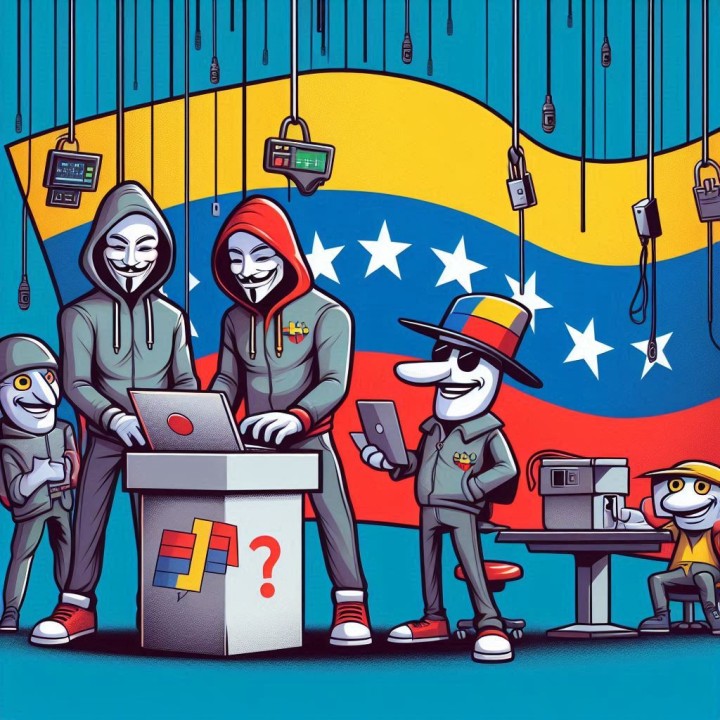
Espionage
Pegasus, the Best and Only Spyware

We hadn’t heard about Pegasus and its ability to steal information from mobile phones for a while, but something tells me this subject is about to be back in the public eye.
And why are we talking about this software from the Israeli company NSO Group? Are they the one and only innovative creators of applications built for spying?
Well, they weren’t, they aren’t and they won’t be… Basically, it’s simply the one that has been “caught” in action on the mobile devices of officials in Spain.
As far back as 2011 people were already talking about a piece of German spyware called FinFisher, from the company Gamma International, which governments used to intercept communications and access their targets’ Windows machines. And it can’t have gone too badly for them, because as far as I know they were still in business in 2020, forming alliances with other players similar to themselves.
In 2015, again thanks to Wikileaks, the data of the Italian company HackingTeam was leaked; it too was in the business of selling software to spy on whichever targets its clients chose, clients who in theory would only be intelligence services and state security forces.
But HackingTeam wasn’t new either: it had been founded in 2003. And it seems the more we scratch the surface, the more we see that this is something that has been with us for a long time.
Based on the Predator Files, coordinated by European Investigative Collaborations, we can see that for more than a decade European companies have been selling spyware to various states around the globe.
This could be a very long post about history, technology and human rights, but my intention is simply to shed a little light on a reality we have been living with for years, and which, when some of us talk about it in certain forums, gets us looked at as if we were fanciful conspiracy theorists.
One thing that has drawn attention to the famous Pegasus is its use of Zero-Day vulnerabilities, that is, security flaws unknown to the industry.
However, according to the security firm Mandiant (part of Google Cloud), in 2022 alone there was a 50% increase in the use of this type of vulnerability by state actors and ransomware groups. While I’m at it, I recommend the CiberGeopolítica newsletter by Walid Hedari, PhD, which, funnily enough, was also talking about this today.
Today, companies such as Italy’s Cy4gate, France’s Nexa and its Greek partners Intellexa, or the Macedonians at Cytrox, are just some of the private companies developing this kind of cyberweapon for espionage.
And not all espionage means getting into devices; our data across different platforms is also used for these purposes.
Let’s not forget Cambridge Analytica and its alleged involvement in Brexit or Trump’s 2016 campaign.
Once again, they are not the only company devoted to this sort of thing; there are powerful firms such as Palantir Technologies, AggregateIQ or Fusion GPS with the potential to do similar things.
Advertising itself and its networks can be used for espionage through so-called AdInt, and what could be more discreet than a banner for going unnoticed… Yet someone on the other side of the world can know which pub you’re having a pint in while you’re using a dating app, an app which, of course, they also know…
Let’s defend Freedom of Expression and worry about Propaganda, but there is a harsher reality in this digital, interconnected world, and it is hiding in plain sight.
Finally, I won’t sign off without sharing the podcast I did with my friend David Marugán about historical espionage and other curiosities, which he is an expert in and explains brilliantly.
▶ Video: How do intelligence agencies communicate? 🕵️ And their secret agents?
Originally published on LinkedIn on 3 May 2024.
Topics